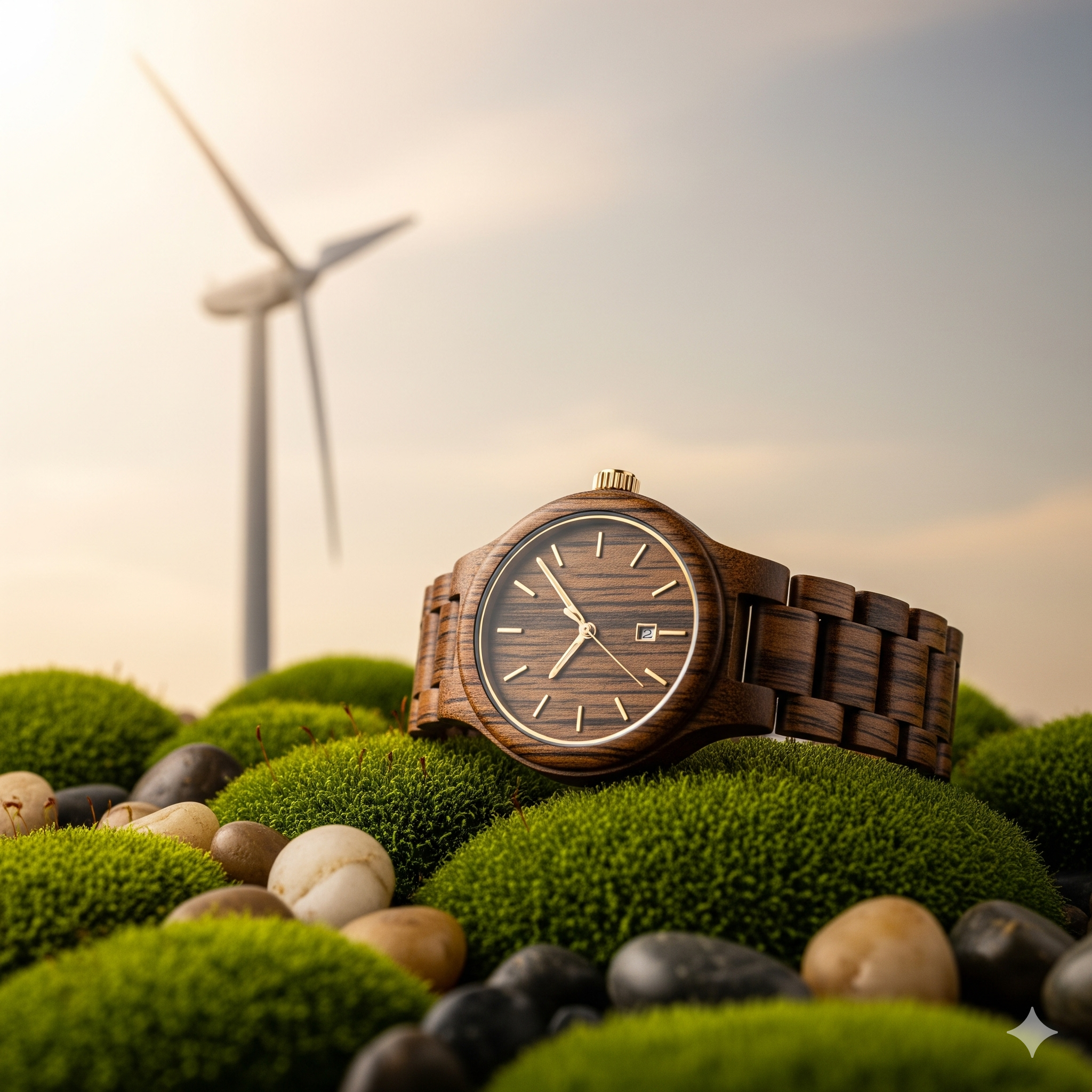
Catchy Hook: Start with a thought-provoking question like, “For centuries, luxury has often been defined by extravagance and exclusivity. But what if the ultimate luxury isn’t about excess, but about a clear conscience?”
Introduce the Core Idea: Challenge the traditional notion that luxury and sustainability are at odds. Introduce the idea of sustainable luxury as a growing trend where high-end brands and affluent consumers are prioritizing ethical production, eco-friendly materials, and social responsibility.
Thesis Statement: This article will explore how wealth and ecology are not mutually exclusive but can coexist through a new paradigm of luxury that values craftsmanship, durability, and a positive global impact.
SEO Keyword: Naturally integrate the keyword “Sustainable Luxury: Can Wealth and Ecology Coexist?” along with related terms like “ethical luxury,” “eco-friendly high-end brands,” and “conscious consumerism.”
H2: The Background and Context: A Reckoning for Luxury
H3: The Traditional Cost of Luxury
Explanation: Discuss the historical environmental and social toll of traditional luxury goods, from fast-fashion production waste to the carbon footprint of private jets and the use of rare, often unethically sourced materials.
Example: Mention the waste created by the fashion industry or the ecological impact of certain mining operations for jewelry.
H3: The Rise of the Conscious Consumer
Explanation: Detail the shift in consumer values. Explain how younger, wealthy consumers are increasingly demanding transparency and accountability from the brands they support. They want to know the story behind the product and its impact on the world.
Data/Stat: Cite a statistic about the growth of the sustainable goods market or a survey on consumer preferences.
H3: From Greenwashing to Genuine Change
Explanation: Acknowledge the initial skepticism and the problem of “greenwashing” (brands making unsubstantiated eco-claims). Then, transition to how some brands are making real, verifiable changes in their supply chains and business models.
H2: A Detailed Comparison: Old Luxury vs. New Luxury
Introduction: Set up a side-by-side comparison to clearly illustrate the shift in values.
Table/Columns:
Column 1: Old Luxury Paradigm
Value: Exclusivity, speed of production, ostentatious display.
Business Model: Circular economy, made-to-order, fair trade.
Example: Tesla, Stella McCartney, Patagonia, certain watchmakers using recycled steel.
H2: Key Features and Benefits of Sustainable Luxury
H3: A New Definition of Quality and Durability
Benefit: Products are built to last, reducing waste and honoring craftsmanship. This moves away from a throwaway culture.
Example: Mention brands that offer lifetime repair services or use timeless designs that don’t go out of style.
H3: Ethical Sourcing and Social Impact
Benefit: Sustainable luxury often means fair wages, safe working conditions, and support for local communities.
Example: A jewelry brand that supports artisanal miners or a fashion brand that partners with indigenous craftspeople.
H3: Enhanced Brand Reputation and Trust
Benefit: Brands that are genuinely sustainable build a stronger reputation and foster a deeper connection with their customers, leading to loyalty and advocacy.
H3: Environmental Stewardship
Benefit: The core benefit is a reduced ecological footprint. This can include using renewable energy, minimizing waste, and designing for a circular economy.
H2: Pros and Cons
Pros:
For the Consumer: Guilt-free purchasing, products with a story, higher quality, and long-term value.
For the Brands: Enhanced reputation, new market opportunities, innovation, and stronger brand loyalty.
For the Planet: Reduced waste, lower emissions, and ethical resource management.
Cons:
Higher Cost: Sustainable materials and ethical labor can be more expensive.
Complexity: Supply chains are more complicated to manage and verify.
Consumer Skepticism: It can be difficult for consumers to trust “green” claims.
Limited Availability: Not all luxury sectors have a wide range of sustainable options yet.
H2: Use Cases: Who Should Embrace Sustainable Luxury?
High-Net-Worth Individuals (HNWIs): For those who can afford the premium and want their purchases to reflect their values.
Luxury Brands: Companies looking to future-proof their business, appeal to a new demographic, and innovate their production methods.
Investors: Those looking for ethical and long-term growth opportunities.
H2: FAQs
H3: What is the biggest challenge for sustainable luxury?
H3: Is “sustainable luxury” just an oxymoron?
H3: How can I tell if a luxury brand is truly sustainable?
H3: Are lab-grown diamonds a part of sustainable luxury?
H3: How does sustainable luxury affect the resale market?
H2: Conclusion: A New Era of Conscious Opulence
Summary: Recapitulate the main argument: that the future of luxury lies in its ability to be both opulent and ethical. The old model of excess is being replaced by one that values quality, transparency, and impact.
Recommendation: Encourage both consumers and brands to embrace this shift, as it benefits everyone involved—from the planet to the people who create the products.
Final Thought: End with a forward-looking statement about how sustainability is becoming the new gold standard for luxury, proving that wealth and ecology can, and must, coexist.
H2: Final Verdict: Coexistence Is the Only Path Forward
Final Statement: Reiterate that sustainable luxury is not a passing trend but a necessary evolution. The ultimate luxury is knowing that your choices contribute to a better, more equitable, and more beautiful world.